 Made in Sri Lanka


From Husk to Harvest: How Coco Bricks Are Made
By Macgrow Lanka Team · · 2 min read
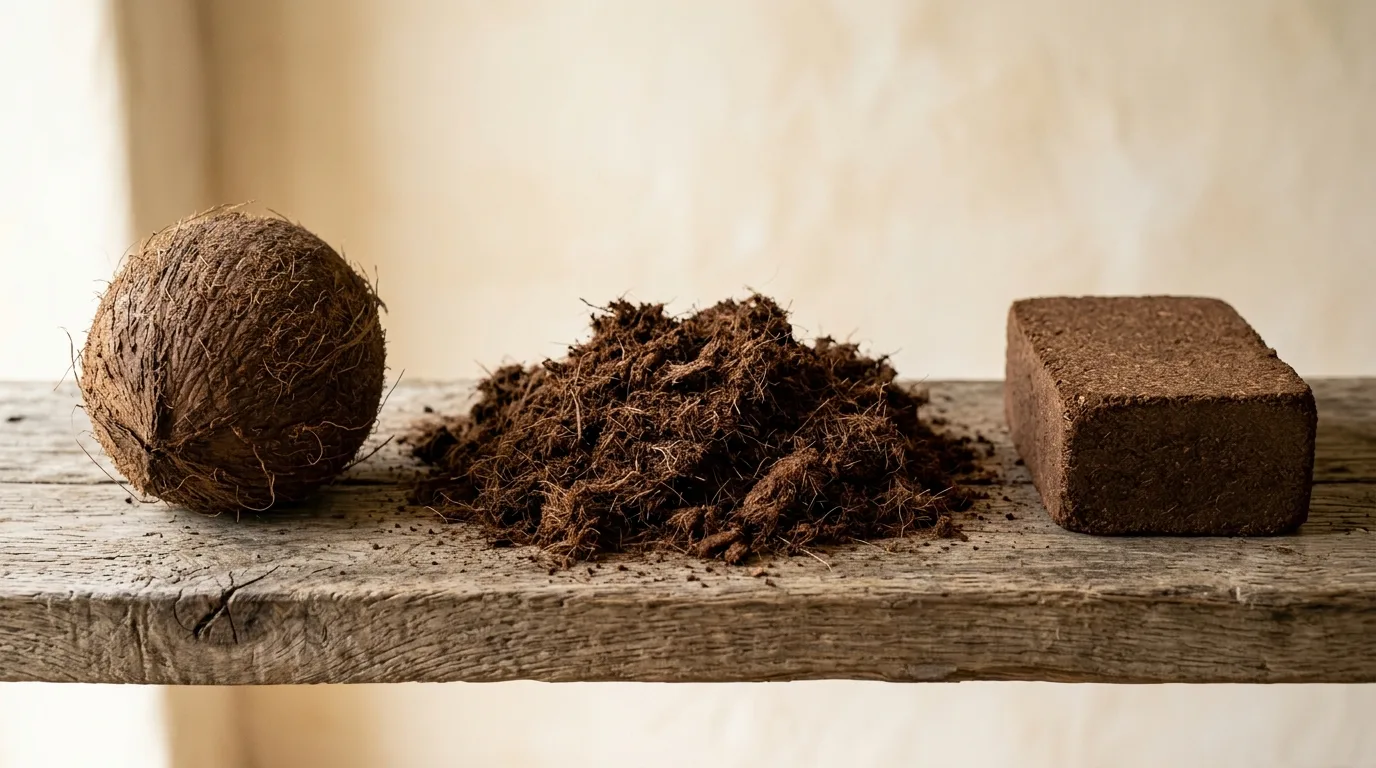
Every coco brick we ship began as a waste product. The coconut industry harvests the nut — the husk around it, roughly a third of the fruit’s weight, was historically burned or dumped. Turning that husk into world-class growing media is a process refined in Sri Lanka over generations, and it is what we do every day in Chilaw. Here is the journey.
1. The husk arrives
Husks come to our facility from plantations and copra mills across the coconut triangle of Sri Lanka’s northwest. Freshness and origin matter: we source from growers we know, and we log every intake batch — the beginning of the traceability chain that follows the product to the container.
2. Soaking and milling
The husks are wetted and passed through defibering mills that tear them apart, separating the material into its two valuable streams: long fiber (destined for our twine, brushes, and bioengineering products) and the spongy cork-like particles between the fibers — the pith, which the world knows as coco peat.
Nothing is discarded. This is a whole-husk operation: fiber one way, pith the other, and the small residue stream into fuel and compost.
3. Aging
Fresh pith is not ready to grow in. We age it in managed piles for months, letting the material mellow — phenolics break down, the physical structure stabilises, and the pith develops the spongy resilience that makes mature coco peat re-wettable for years. Aging is the least visible step in the process and the one most responsible for quality differences between suppliers.
4. Washing and screening
Aged pith is washed with fresh water to bring the electrical conductivity down — and, for buffered grades, treated with calcium nitrate so bound sodium and potassium are displaced from the fiber’s exchange sites. Then it is screened: sieves separate fine peat, standard grade, and chips, each stream destined for different products and blends.
5. Sun-drying
Chilaw’s climate is our drying room. Washed peat is spread across open yards and turned under the sun until moisture falls below 20% — low enough to press and stable enough to ship. Solar drying costs nothing and burns nothing; it is one of the quiet sustainability advantages of Sri Lankan coir.
6. Pressing and packing
Dry, screened peat is hydraulically compressed at a 5:1 ratio — into 650 g bricks, 5 kg blocks, or grow-bag slabs — shrink-wrapped, labelled, and palletised. Every production batch carries a sample tested for EC, pH, and moisture before it is cleared for loading.
7. To the world
Containers leave Chilaw for the port of Colombo and from there to greenhouses, nurseries, and garden shelves on five continents. Somewhere, a grower drops a brick into a bucket of water, watches it swell into nine litres of soft brown media, and plants into it — the final step in a journey that turned a discarded husk into a harvest.
Curious about our facility, or want batch documentation for your market? Contact us — we are proud to show our process.