 Made in Sri Lanka



Our Story
We Cherish Nature. We Champion Local Talent.
Macgrow Lanka is a family-owned business built on generations of connection to Sri Lanka’s agricultural heritage.
What We Stand On
The Four Pillars of Macgrow Lanka
Every decision — from how we source husks to how we pack containers — is measured against these four commitments.
Quality Products
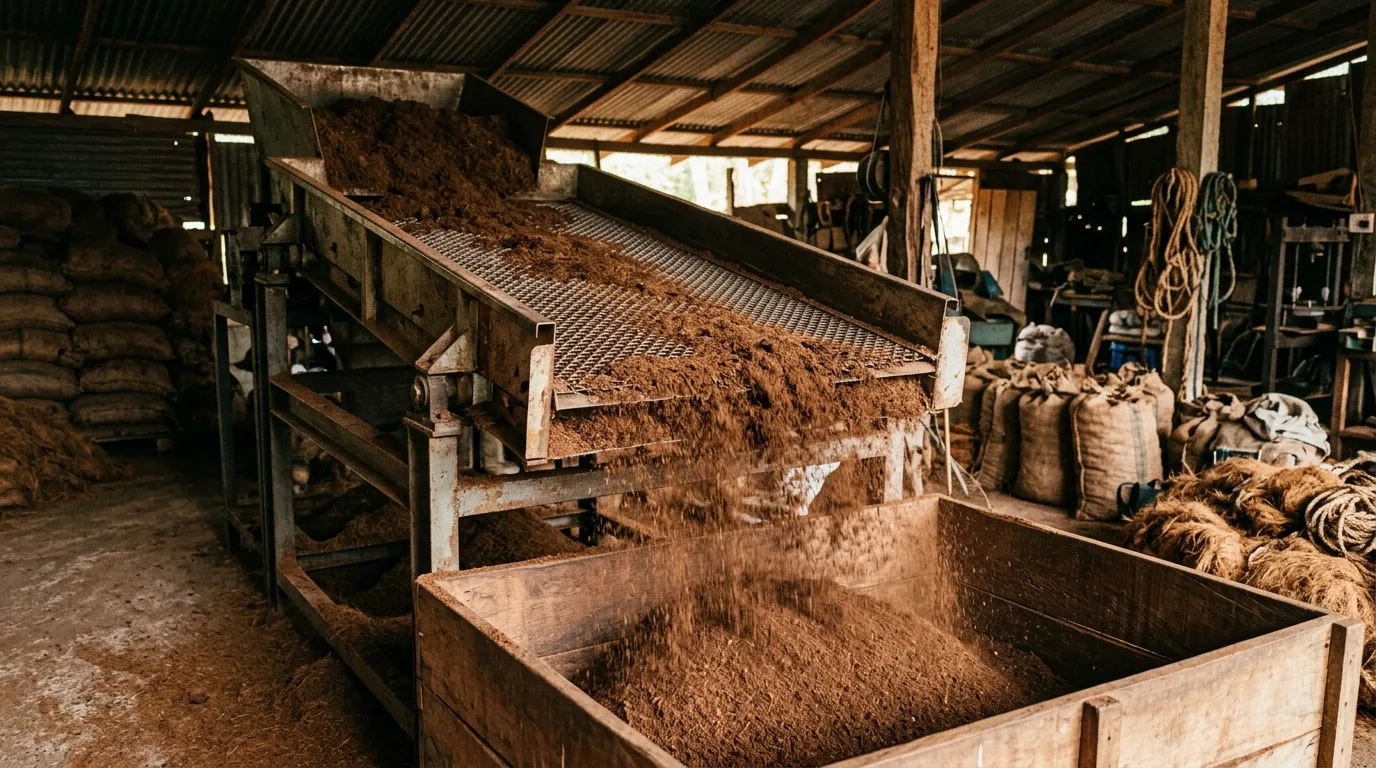
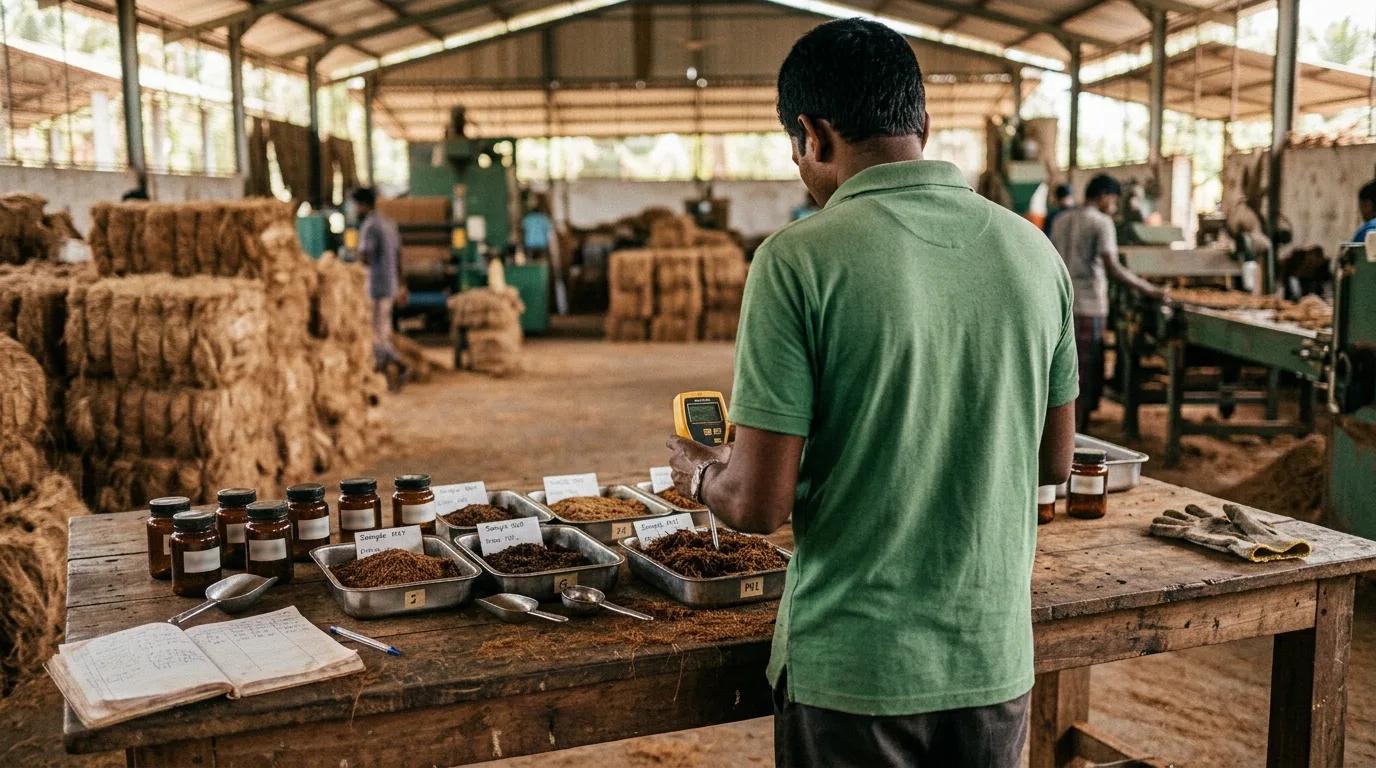
Every batch is tested for EC, pH, moisture, and cleanliness before it ships. Consistency is not a promise we make — it is a process we run, every day.
Sustainability
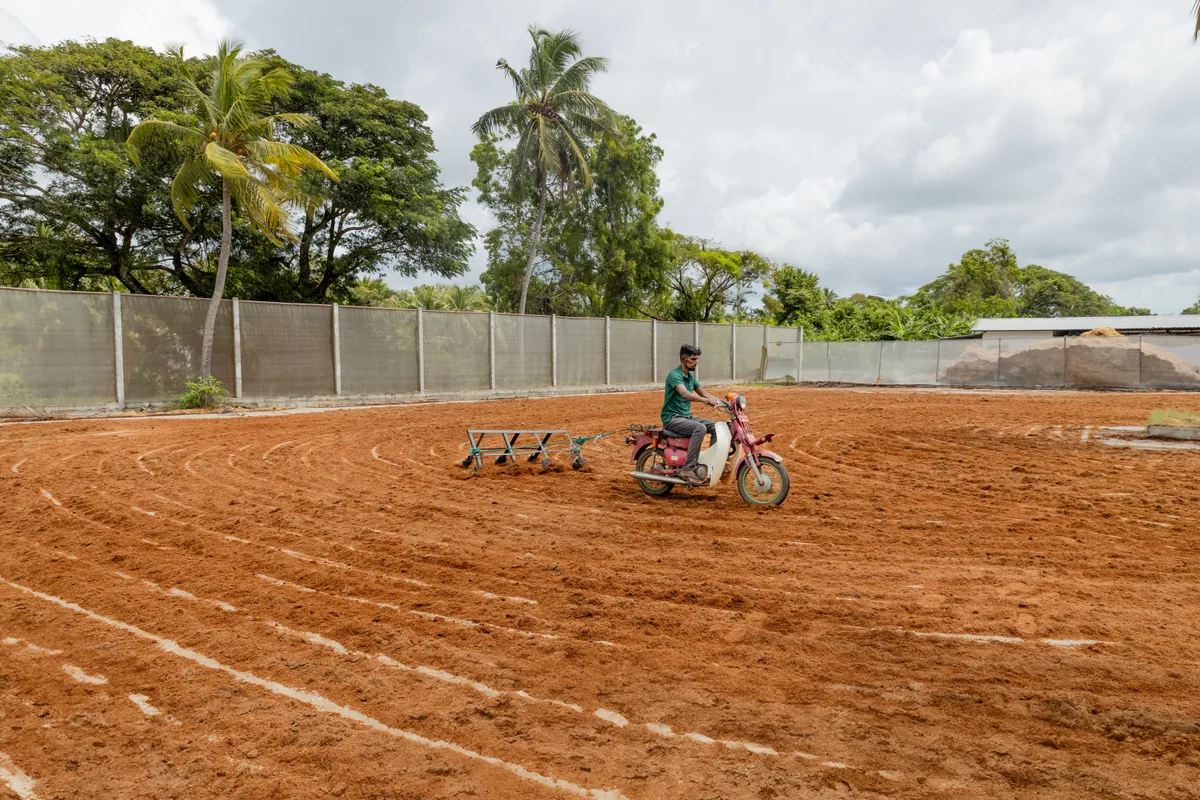
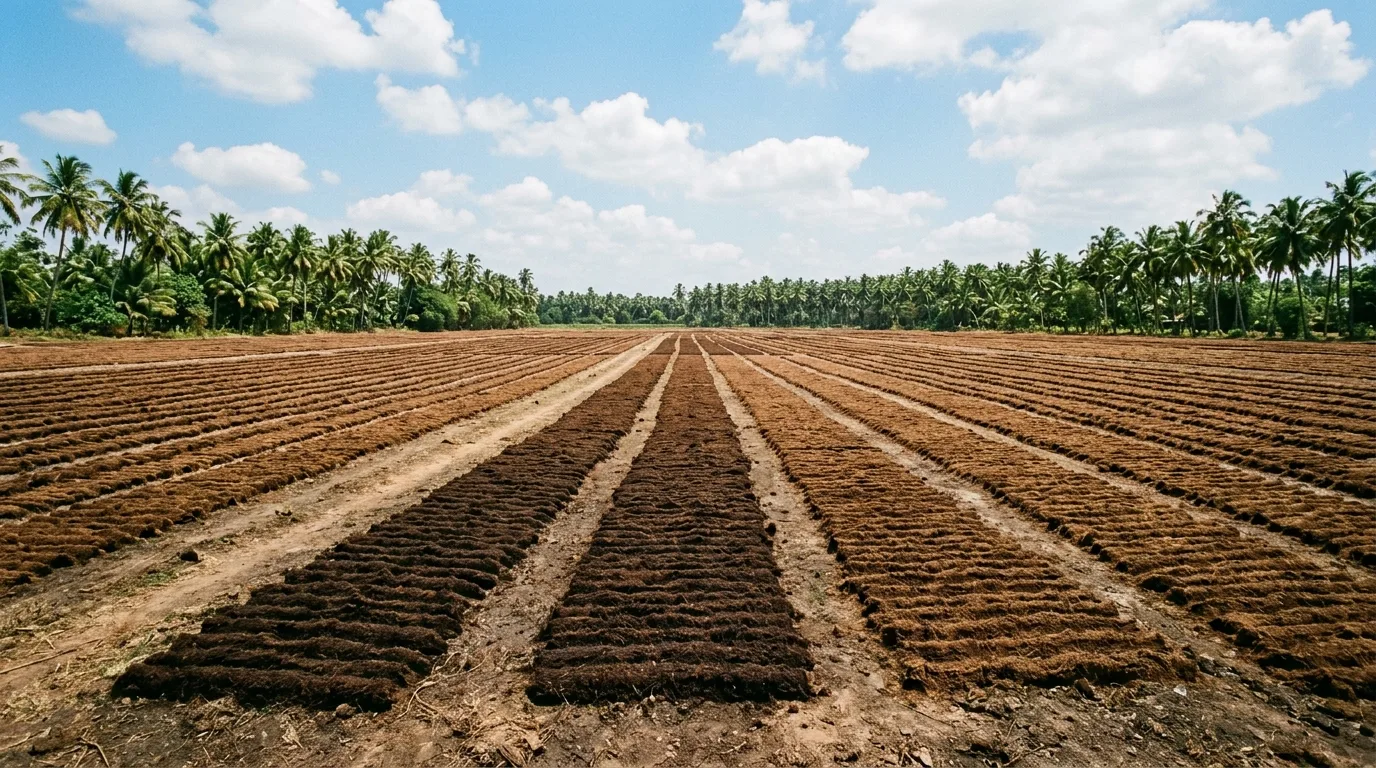
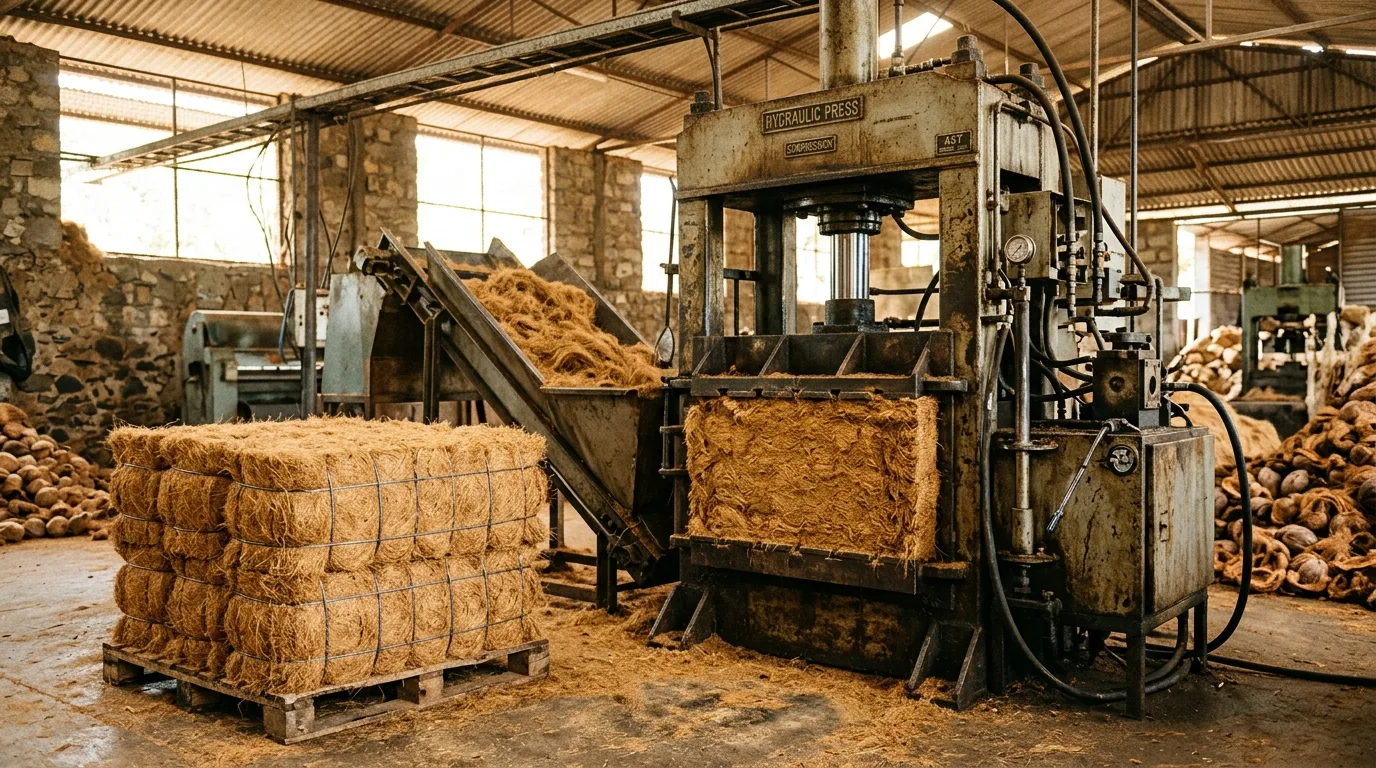
Coir is a renewable by-product — no trees felled, nothing mined. We sun-dry, run whole-husk zero-waste processing, and ship compressed to cut freight emissions.
Uplifting Locals
From plantation partners to the craftspeople who hand-form our brushes, we build skills, pay fairly, and reinvest in the communities of the coconut triangle.
Proud Sri Lankans
Sri Lankan coir has set the world standard for over a century. We carry that heritage forward — and put our island's name proudly on every container.
See what we make from the humble coconut husk
Thirteen products across grow media, coir fiber, and bioengineering — every one export-documented.
Community
How We Strive to Empower and Elevate Our Community
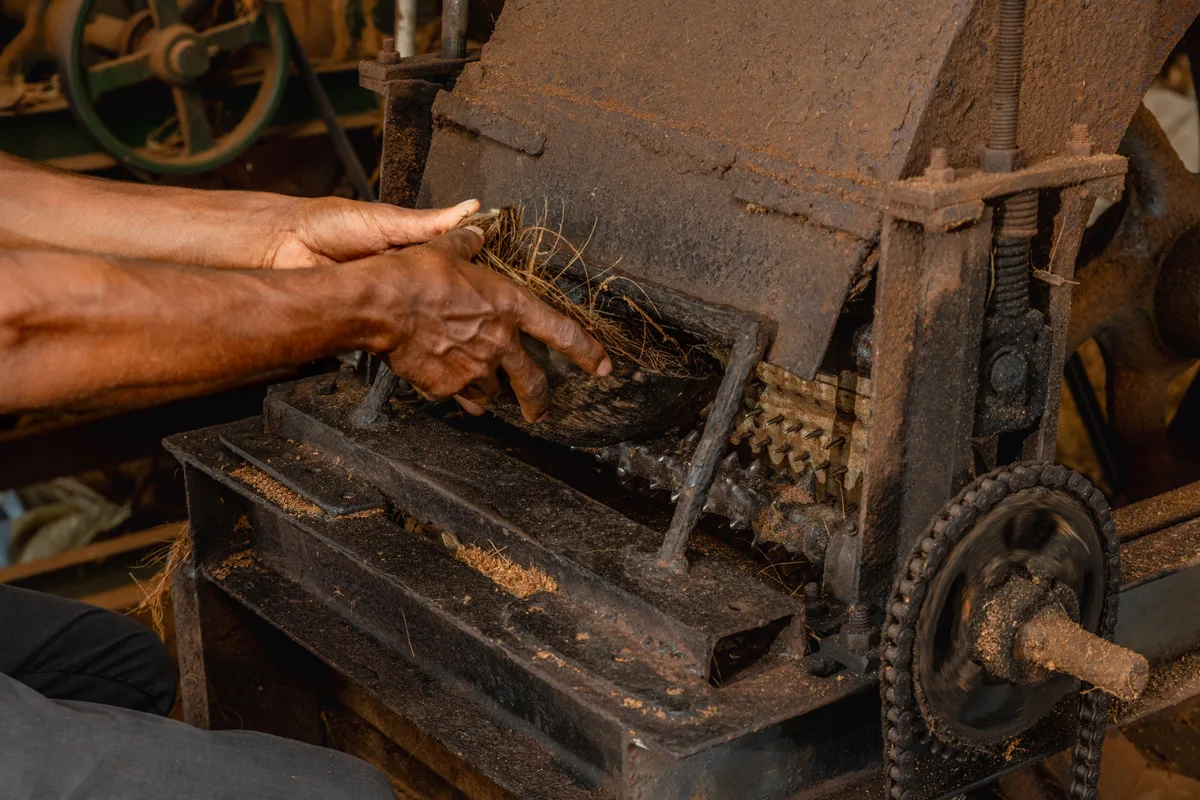
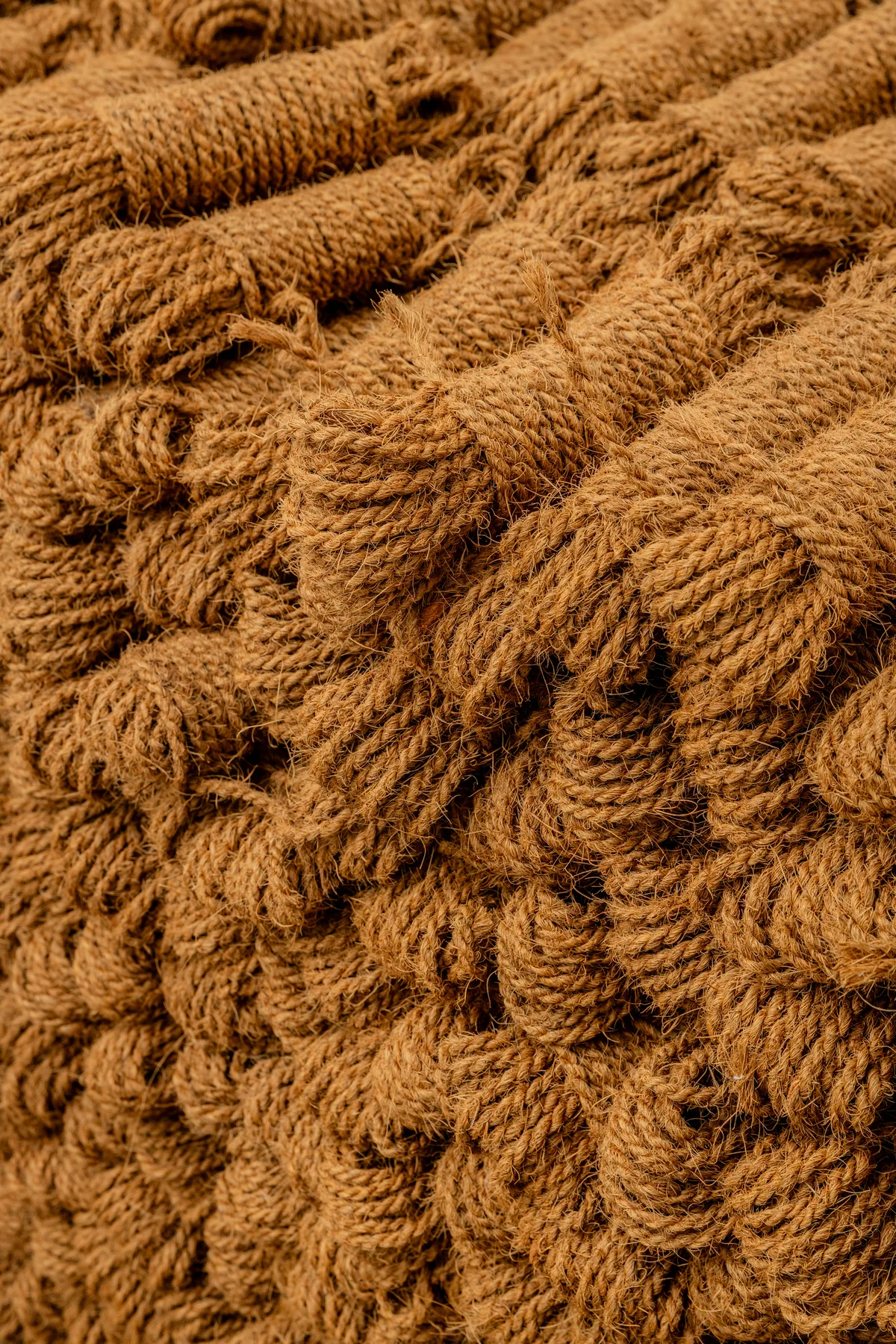
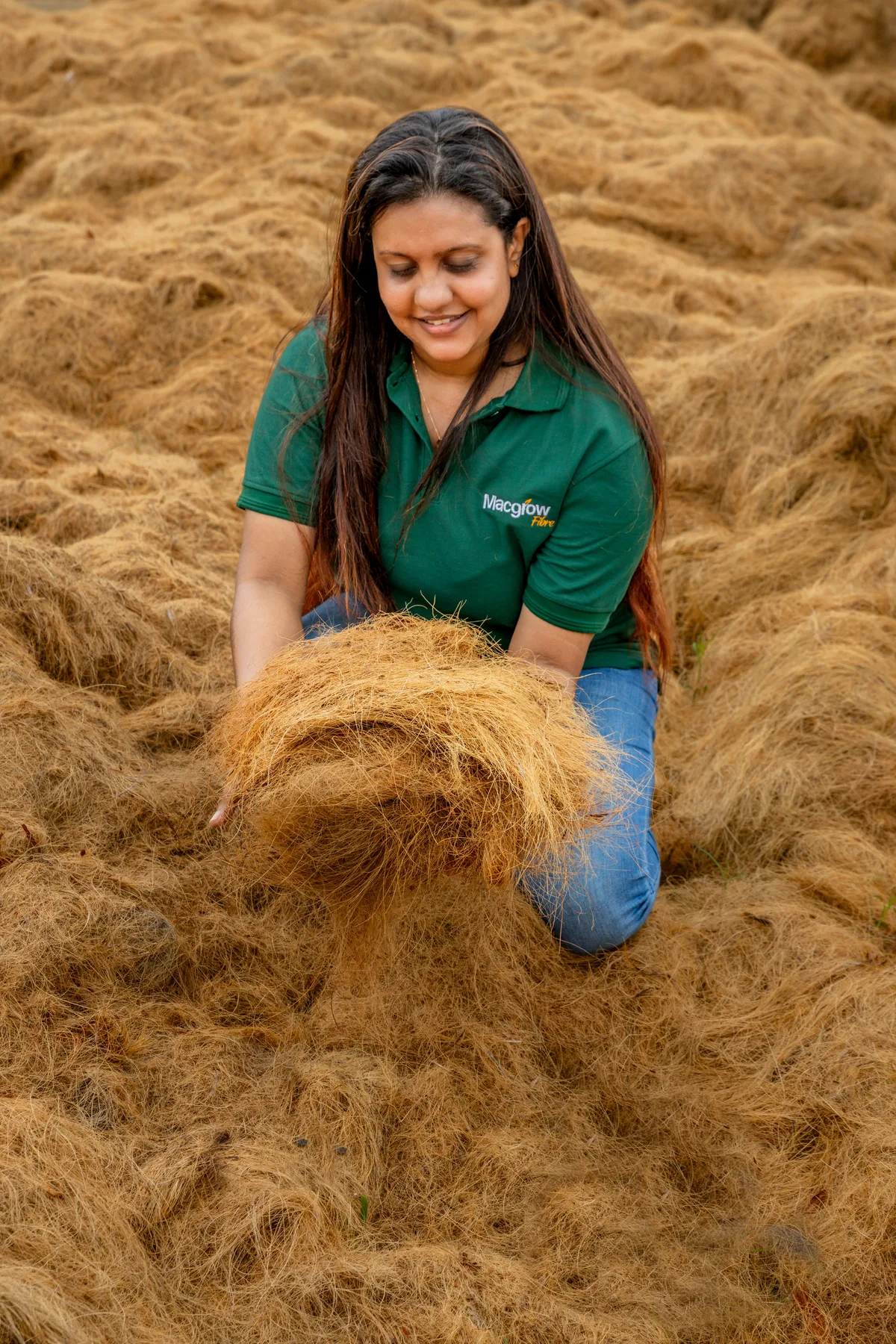
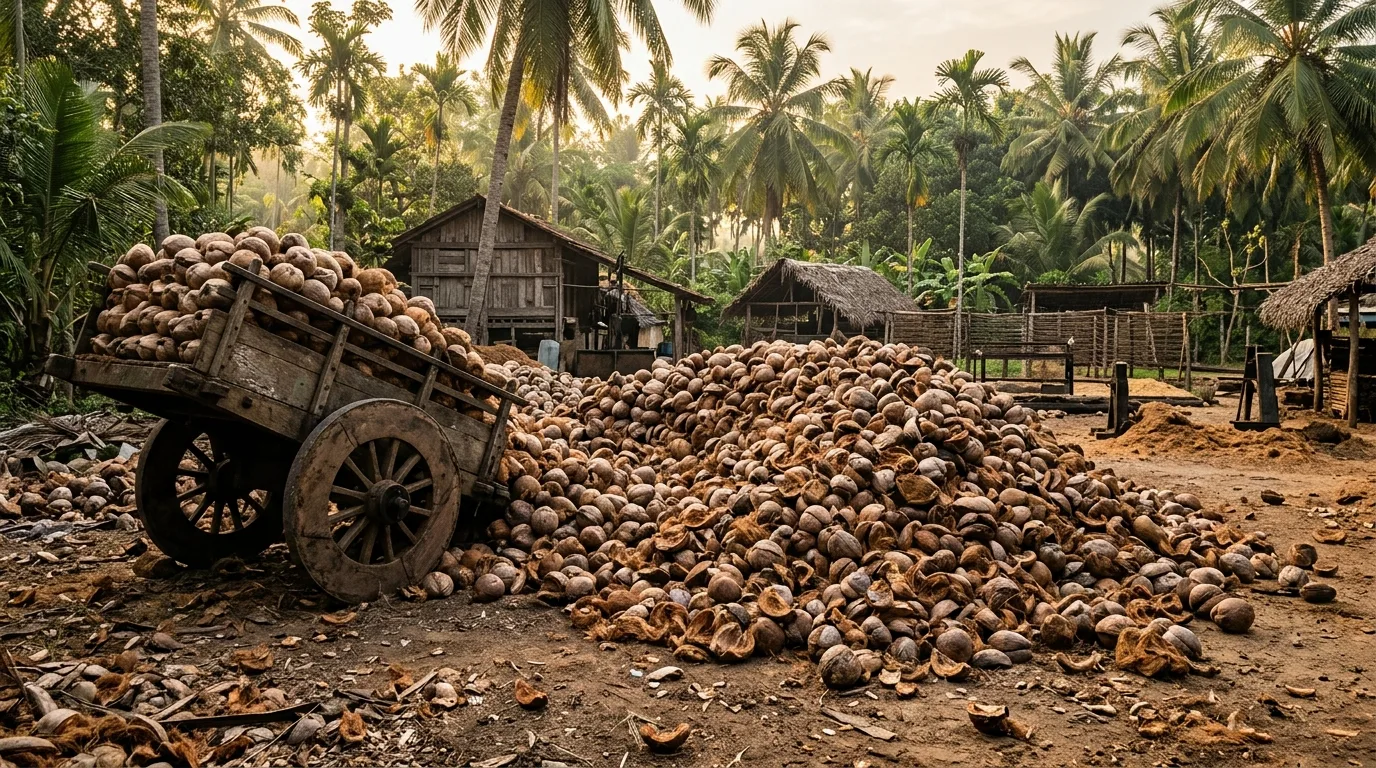
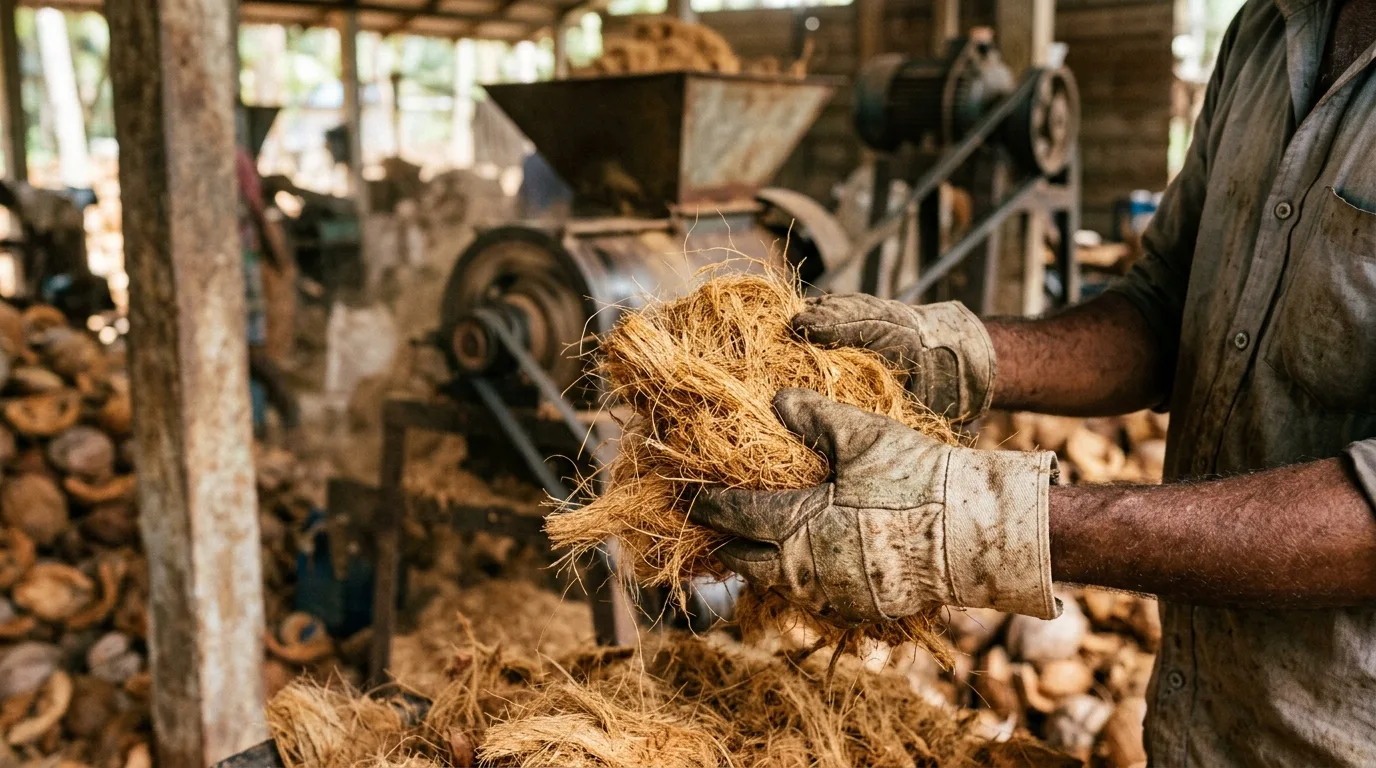
Our factory in Chilaw is more than a workplace. We train and certify machine operators, support our plantation partners with fair, stable offtake, fund school programmes in Ilippadeniya, and keep traditional coir craft skills alive with the artisans who practise them.
Our Services
A Full-Service Export Partner
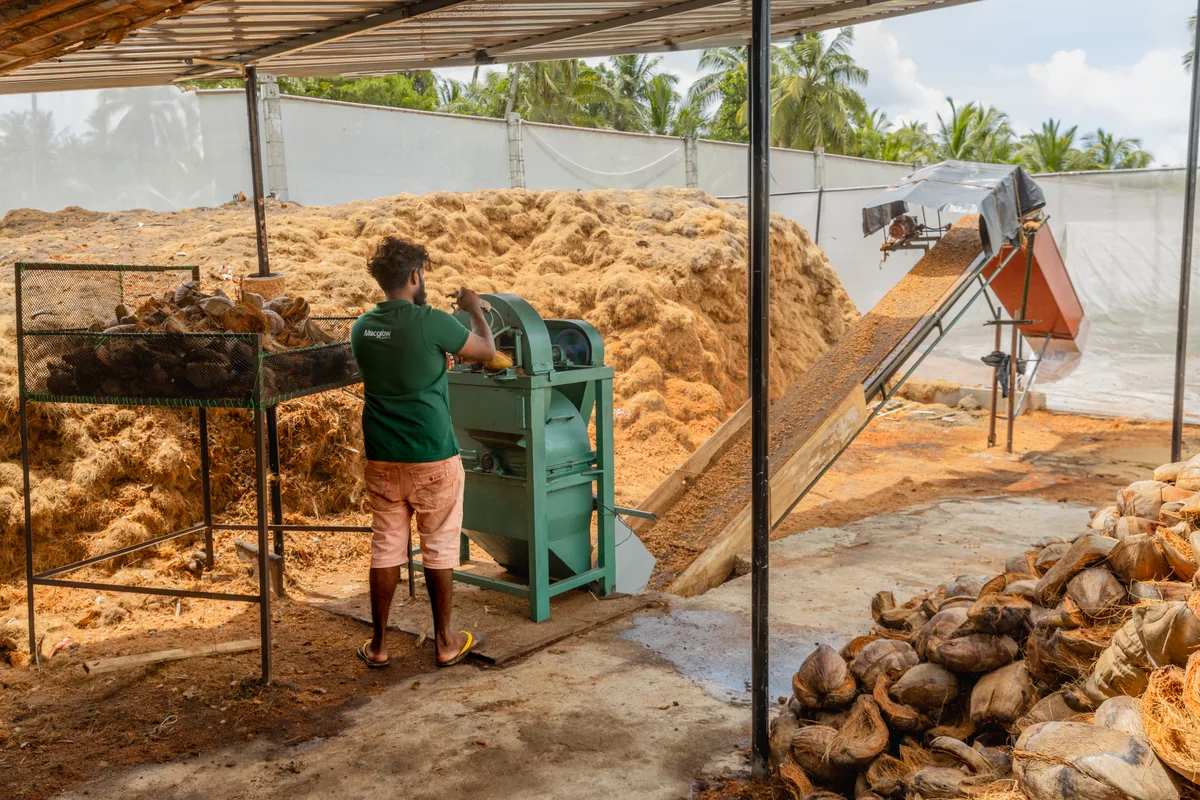
Sourcing, processing, custom blending, private labelling, and export logistics — one supplier, one point of accountability, from husk intake in Chilaw to your destination port.
- 0+
- Happy Clients
- 0+
- Export Countries
- 0+
- Quality Products
- 0+
- Years of Experience
- 0
- Customer Rating
Meet Our Team
The Founders

Namila Wanniarachchi
Combining global experience with deep-rooted family values to create sustainable opportunities from Sri Lanka’s natural resources
LinkedIn
Jinal Wanniarachchi
Building on generations of agricultural heritage, bringing Sri Lankan innovation and natural products to the world.
LinkedInOur Roots
Our Journey
Our roots come from a legacy of agribusiness — from plantations and farming ventures to agricultural machinery, equipment, and services that have supported local industries for decades. Growing up in this environment shaped our appreciation for agriculture, nature, and the communities behind it.
After completing our studies and gaining international exposure across different industries and markets, we were inspired to reconnect with our roots and build something meaningful. We chose the coir industry because it represents the best of Sri Lanka — our coconut heritage, natural resources, skilled communities, and commitment to sustainable solutions.
Today, Macgrow Lanka focuses on producing and exporting high quality coir based products by working closely with local manufacturers, artisans, and farming communities. By directly engaging with and supporting these local partners, we help strengthen rural livelihoods, create stable income opportunities, and contribute to the long term development of the communities that form the backbone of our industry. We combine deep industry knowledge with modern business practices to deliver sustainable, reliable, and globally competitive solutions from Sri Lanka to the world.
FAQs
Your Comprehensive Resource for Coco Coir Questions
The questions growers, engineers, and buyers ask us most — answered plainly.
What is Coco Coir?
Coco Coir, also known as coco peat, coir dust or coir pith, is a natural fiber based medium extracted from coconut husks. Coir is composed of coir fibers and peat, which are the spongy cellular material found between the outer layer of husk and hard coconut shell. Coco Peat is a versatile soilless growing medium widely used in gardening, horticulture, and agriculture, valued for its excellent water retention, aeration properties, and ability to retain nutrients. Coir Fiber, renowned for its exceptional strength as a naturally derived material, is utilized across a wide spectrum of industries to manufacture items such as twine, ropes, brushes, and mattresses.
What type of growing medium is Coco Coir?
Coco coir is a soilless growing medium and a sustainable alternative to peat moss and traditional soil. It's made from coconut husks, a byproduct of the coconut industry. It offers excellent water retention, aeration, and pH neutrality, making it ideal for plant growth. Used alone or in blends, it supports healthy plant growth in various gardening and agricultural applications.
Is Coco Coir environmentally friendly?
Yes, Coco Coir is considered environmentally friendly for several reasons. It is made from the husk of coconuts, a renewable resource that would otherwise be discarded. Its production has minimal to no impact on natural habitats, and it degrades naturally after use. Additionally, using Coco Coir can reduce dependency on non-renewable resources like peat moss, which helps in preserving sensitive ecosystems like peat bogs.
Is Coco Coir sustainable?
Yes, cocopeat is considered sustainable. It is derived from coconut husks, a renewable resource that does not deplete natural habitats. Cocopeat production minimizes waste by utilizing a byproduct of the coconut industry. Its use reduces reliance on non-renewable resources like peat moss, contributing to environmental conservation efforts.
Is Coco Coir reusable?
Yes, Coco Coir is reusable. Many commercial growers reuse coco peat for multiple crop cycles. The medium's reusability depends on maintaining its pH neutrality and ensuring it is properly refreshed with nutrients between cycles to support healthy plant growth in subsequent crops.
Is Coco Coir organic?
Coco coir is considered organic because it is derived from the natural fibers of coconut husks without synthetic additives or chemicals during processing. It's a sustainable alternative to peat moss and is often used in organic farming and gardening practices to support healthy plant growth without synthetic inputs.
Does Coco Coir contain nutrients?
Coco coir is naturally low in nutrients, which makes it an ideal growing medium. Gardeners can customize nutrient levels by adding fertilizers or supplements to achieve optimal plant growth and health. This flexibility allows for precise control over nutrient composition tailored to specific plant requirements.
Is Coco Coir biodegradable?
Yes, coco coir is biodegradable. It naturally decomposes over time into organic matter, making it environmentally friendly. After its use as a growing medium or substrate, coco coir can be composted to enrich soil with nutrients, supporting sustainable agricultural practices and reducing waste.
Why Coco Peat over Peat Moss?
Coco peat is favored over peat moss due to its sustainability as a byproduct of coconut processing, versus peat moss which is harvested from non-renewable peat bogs. Coco peat retains water well, offers good aeration for roots, has a neutral pH, and makes it ideal for growers. Its environmental impact is lower, making it a preferable choice for eco-conscious gardening and agriculture.
Why is Coco Peat better than traditional soil?
Coco peat is superior to traditional soil due to its excellent water retention, which reduces watering frequency and ensures consistent moisture levels. It provides better aeration for roots, is pH neutral, and contains beneficial nutrients. Farmers value its less compacted nature over soil, and its sustainable sourcing from coconut husks also minimizes environmental impact compared to traditional soil harvesting methods.
How should Coco Peat be used?
Soak coco peat in water to rehydrate it before use. Mix it with soil or use it alone for seed starting, potting mixes, or as a soil amendment. Ensure proper drainage and aeration for optimal plant growth. Adjust nutrients as coco peat is naturally low in nutrients.
What are the advantages of using Coco Coir in hydroponics?
Coco coir is advantageous in hydroponics due to its excellent water retention, which reduces the frequency of watering cycles. It promotes good aeration, preventing root rot and encouraging healthy root development. Additionally, coco coir is pH neutral, providing a stable growing medium for various hydroponic setups. Its sustainability as a renewable resource further appeals to environmentally conscious growers.
What is the benefit of using Growbags?
Growbags are beneficial for growers as they provide excellent drainage, prevent root circling, and improve root aeration. They are lightweight, reusable, and space-efficient, allowing for easy repositioning and optimal plant growth. Additionally, growbags help control soil-borne diseases and pests, enhancing overall plant health.
Can Coco Coir be used as seed starters or for germination?
Yes, coco coir is an excellent medium for seed starting and germination. It provides a sterile and lightweight environment that retains moisture well, promoting healthy seedling growth. Its natural structure encourages strong root development and can be used directly or mixed with other substrates.
Is Coco Coir suitable for animal bedding?
Coco coir is a natural and absorbent material that is commonly used as bedding for animals such as horses, rabbits, chickens, and reptiles. It helps maintain cleanliness, absorbs odors, and provides a comfortable environment for pets with its cushioning effect. It's also resistant to mold and mildew, making it a healthier option for pets, and it's sustainable and easy to dispose of after use.
What is Washed vs Unwashed Cocopeat?
Washed coco peat has undergone a rinsing process to remove excess salts and impurities, making it more suitable for horticultural use as it has lower electrical conductivity and is pH balanced. Unwashed cocopeat retains natural salts and requires additional rinsing before use to reduce its salinity and adjust pH levels for plant growth.
What is the ideal salt level for Coco Coir?
The ideal salt level for coco coir varies depending on the specific requirements of the plants being grown. Generally, it should be kept low, ideally below 0.5 dS/m (deciSiemens per meter), to prevent adverse effects on plant growth. Monitoring and adjusting salt levels according to plant needs are essential for optimal growth and health.
How much water should I add to Coco Peat?
When preparing coco peat for use, typically water should be added at a ratio of 5:1 or 6:1 (water to coco peat). This allows the compressed coco peat block to expand and absorb moisture effectively, transforming into a loose, fluffy growing medium suitable for planting or potting. Approximately 5 litres of water should be added per 1 kg of dry cocopeat to rehydrate it effectively. Adjustments may be needed based on specific moisture requirements and environmental conditions.
When should I water my Coco Coir mixture?
Water your coco coir mixture when the top layer feels dry to the touch. Check moisture levels regularly (at minimum on a daily basis), especially in warm or dry conditions. Ensure the mixture remains consistently moist but not waterlogged to support optimal plant growth and health. Adjust watering frequency based on plant needs and environmental conditions.
How to prepare Coco Peat for use in growing medicinal cannabis?
To prepare coco peat for growing medicinal cannabis, soak the compressed coco peat in water for 30 minutes to expand it. Rinse the peat to remove excess salts (if unwashed), then mix it with perlite (about 30% perlite) for improved drainage and aeration.
What are Coco Chips?
Coco chips are small pieces of coconut husk that have been cut or shredded into uniform sizes, ranging from 2 mm to 25 mm. They are used as a growing medium or substrate in gardening and horticulture, providing good aeration and drainage for plant roots and promoting healthy growth in various agricultural and landscaping applications.
What are the advantages of using Coco Chips?
Using Coco chips offers several advantages: they provide excellent aeration and drainage for plant roots, helping to prevent waterlogging. Coco chips retain moisture well, reducing the frequency of watering. They are lightweight, easy to handle, and promote healthy root growth, making them ideal for gardening and horticultural applications.
Can Coco Chips be used as mulch?
Yes, Coco chips can be used for mulching. They are effective at conserving soil moisture, suppressing weeds, and regulating soil temperature, similar to other mulching materials like bark or straw. Additionally, Coco chips gradually decompose, enriching the soil with organic matter and nutrients over time.
How do I use Coco Chips as mulch?
Spread a layer around plants, ensuring it covers the soil evenly. Maintain a thickness of 2–3 inches to suppress weeds and retain moisture. Avoid placing the chips too close to plant stems to prevent moisture buildup and potential rot. Replenish as needed to maintain effectiveness.
How should Coco Peat be stored?
Store coco peat in a dry, well-ventilated area, off the ground on pallets or shelves. Use sealed containers or bags to protect from moisture and pests. Keep it in a cool, dark place, and avoid excessive compression to maintain its quality and ease of use.
What is Coir Twine, and why is it used in hop cultivation?
Coir twine is a natural fiber made from coconut husks, used in hop cultivation to support plant growth. It's durable, biodegradable, and provides excellent support for hop vines to climb and produce high-quality hops.
Can Coir Twine be used for other crops besides hops?
Yes, coir twine can be used for various crops, including tomatoes, cucumbers, and beans, both in commercial farms and households. Its strength and durability make it a versatile option for supporting climbing plants in different agricultural applications.
What is Coir Bristle Fiber, and what is it used for?
Coir bristle fiber is a natural, coarse fiber from coconut husks. It's used for making brushes, brooms, and mats due to its durability and stiffness. It's also used in erosion control and as a growing medium for plants.
How does Coir Fiber help prevent soil erosion?
Coir fiber controls erosion by stabilizing soil through mats or blankets that hold soil in place, reduce runoff, and promote plant growth. Its natural fibers bind the soil, while its ability to retain moisture supports vegetation establishment.
What types of Coir products are used for erosion control?
Common coir products for erosion control include coir mats, blankets, and logs. These products provide soil stabilization, reduce runoff, and support vegetation.
What is your expertise?
Our expertise lies in managing the entire value chain from start to finish, with a team of seasoned professionals who also possess generational expertise passed down from their families. Our production consultant is a veteran in the industry with over 30 years of experience, ensuring comprehensive oversight and excellence in every aspect of our operations.
Do you have your own factory?
Yes, we operate multiple specialized facilities located within Sri Lanka's coconut triangle. We take pride in managing the entire value chain from cultivation of coconuts, milling of coir, to the production of finished goods, and we maintain exceptional quality standards from raw material handling through to the export of our finished products.
Where is your Coco Coir manufactured?
Our Coco Coir is manufactured in Sri Lanka. We leverage the expertise and resources of the Sri Lankan Coir Industry, which dates back many centuries and is known for its quality coconut production and processing. This ensures our products embody the natural sustainability and skilled craftsmanship rooted in the country's generations of coir expertise, complemented by advanced machinery.
Do you offer private labeling?
Yes, we offer private labeling services for all our Coco Coir products. This allows businesses to customize packaging with their branding and specifications, ensuring a tailored product that meets their market needs and enhances brand identity in the marketplace.
Do you arrange shipping and delivery?
Yes, we provide comprehensive shipping and delivery arrangements for our products. Our logistics team ensures efficient handling and timely delivery to meet our customers' needs, from order placement to receipt of goods.
No FAQs match "". Try a different keyword, or ask us directly.
Have a question we didn't answer?
Send us your requirement — grades, quantities, destinations — and we will come back within one business day.
Testimonials
What Our Partners Say
From greenhouse growers to civil engineers — the people who build on our coir.
“Consistent EC and moisture levels shipment after shipment. Macgrow Lanka has become our sole coco peat supplier for hydroponic media.”
“Their coir logs and geotextile nets performed exactly to spec on our riverbank stabilisation project. Documentation and shipping were flawless.”
“We switched to Macgrow grow bags two seasons ago — germination rates improved and the bags arrive uniform, every time.”
“Responsive team, fair pricing, and they genuinely care about the communities they work with. A supplier we are proud to partner with.”