Coir Fiber
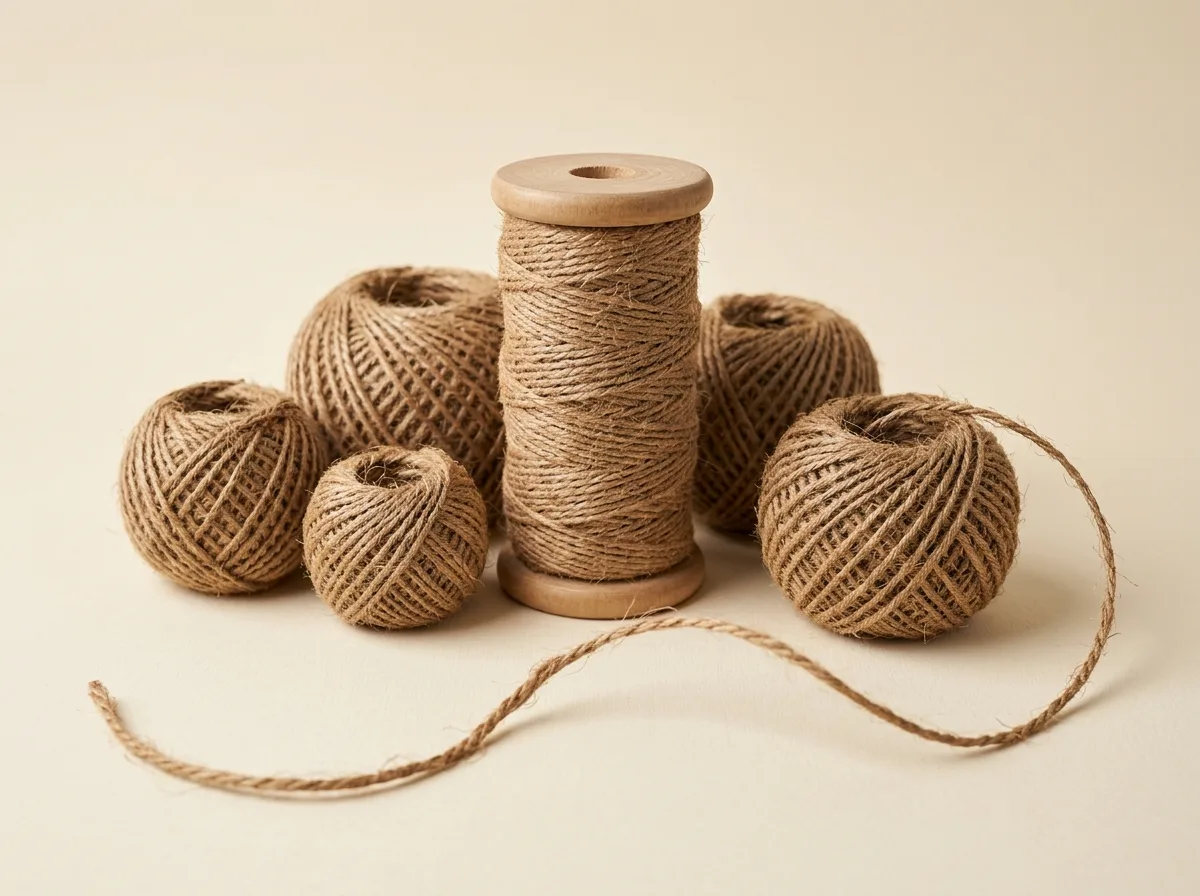
Coco Twine
Strong, biodegradable coir twine for hop cultivation, aquaculture, and domestic gardening — a natural alternative to plastic string.
 Made in Sri Lanka


Coir Fiber · Bioengineering
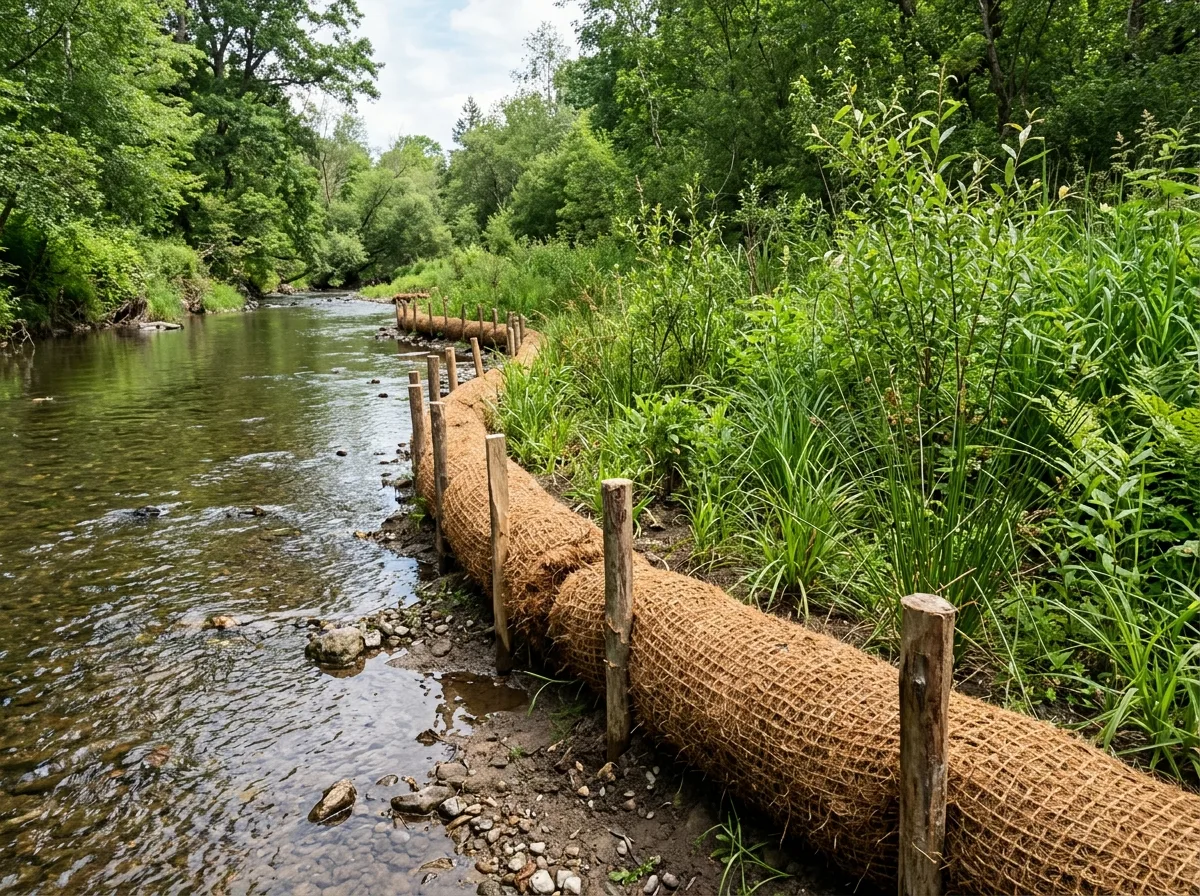
Cylindrical coir logs that prevent soil erosion and encourage vegetation growth on riverbanks, slopes, and wetlands.
Inquire About This Product| Diameters | 20 / 30 / 40 / 50 cm |
|---|---|
| Length | 300 cm standard |
| Eye (Mesh) Size | Standard 5 × 5 cm |
| Weight (Low Density) | 10 kg (20 cm) up to 56 kg (50 cm) |
| Weight (High Density) | 13 kg (20 cm) up to 83 kg (50 cm) |
| Loadability | 100–624 rolls per 40 ft HC, by diameter |
Coir logs are cylindrical structures made from coir fiber, commonly used for erosion control, riverbank stabilization, and wetland restoration. These logs help prevent soil erosion and encourage vegetation growth by providing a natural medium for plant roots to anchor.
Installed and staked along streambanks, shorelines, and cut slopes, coir logs immediately blunt the erosive energy of flowing water and runoff while trapping sediment behind them. Despite being biodegradable, they are durable enough to provide long-term stabilisation, lasting several years before decomposing and enhancing soil fertility as they go.
We manufacture logs in four diameters at a 300 cm standard length, in low or high density fill. Environmental engineers, landscapers, and municipalities rely on our documentation — density, dimensions, mesh spec — for tender compliance.
Why It Works
Coir logs provide immediate erosion control by acting as barriers on shorelines, riverbanks, and slopes, preventing soil from being washed away by water or wind.
They create an ideal environment for vegetation growth by retaining moisture and allowing plant roots to penetrate and stabilize the soil.
Coir fiber in the logs absorbs and retains water, improving soil hydration and promoting the establishment of plants in dry or degraded areas.
Made from natural coconut fibers, coir logs are biodegradable and environmentally friendly, decomposing naturally over time while enhancing soil fertility.
By providing a stable structure and a conducive environment for plant growth, coir logs contribute to restoring habitats for various wildlife, especially in wetland areas.
Good to Know
Staked along a bank or contour, the dense fiber log absorbs wave and flow energy, traps sediment, and holds moisture. Vegetation is planted through and behind it; by the time the log biodegrades, roots have taken over the structural job.
20, 30, 40, and 50 cm, all at 300 cm standard length, in low or high density fill — larger diameters and custom lengths available on request.
They are durable enough to provide long-term stabilisation, lasting for several years in the environment before decomposing — long enough for riparian vegetation to establish, which is precisely the design intent.
Yes. Live stakes, plugs, and wetland species can be planted into the log itself; the coir retains moisture around young roots better than most native bank soils.
Related
Coir Fiber
Strong, biodegradable coir twine for hop cultivation, aquaculture, and domestic gardening — a natural alternative to plastic string.
Coir Fiber
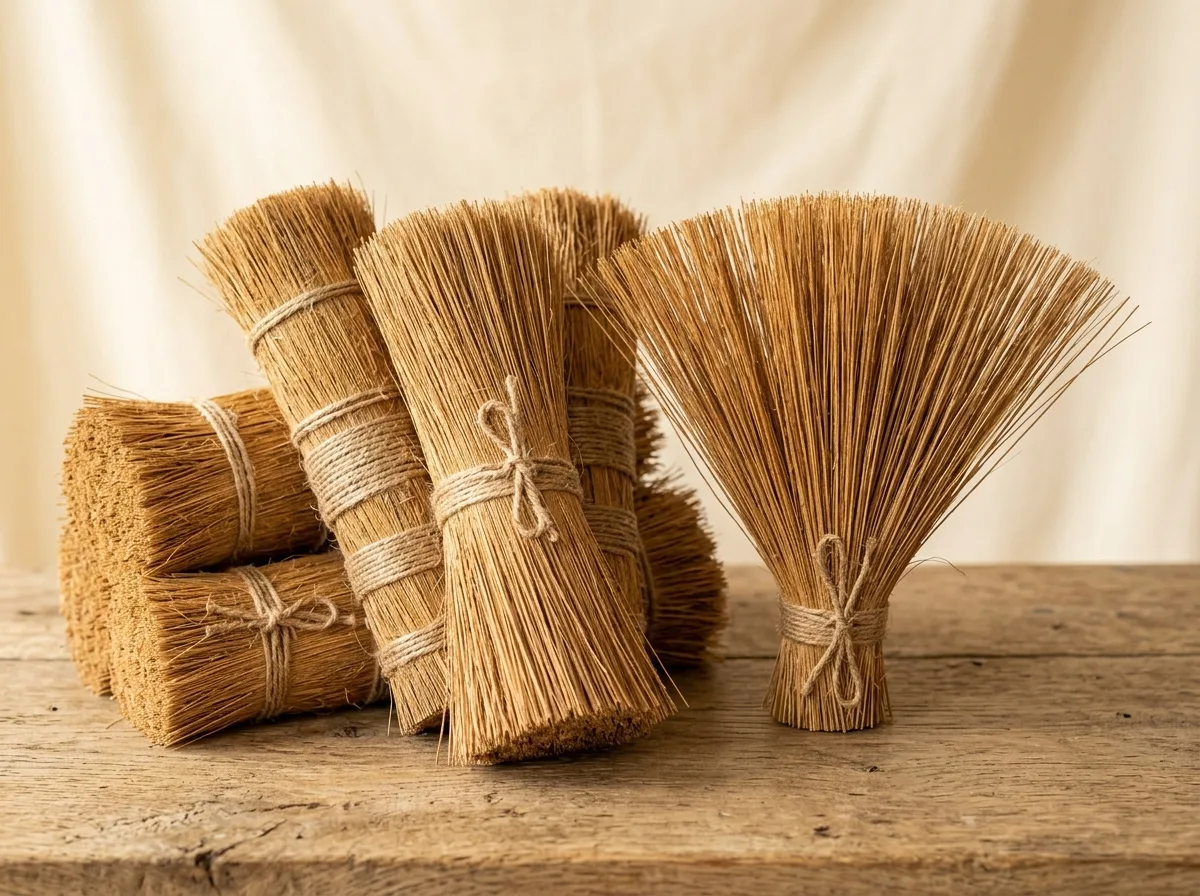
Long, stiff premium coir bristle fiber (Brush Fibre) — natural, dyed, bleached, or unbleached grades for brush-making and industrial use.
Coir Fiber
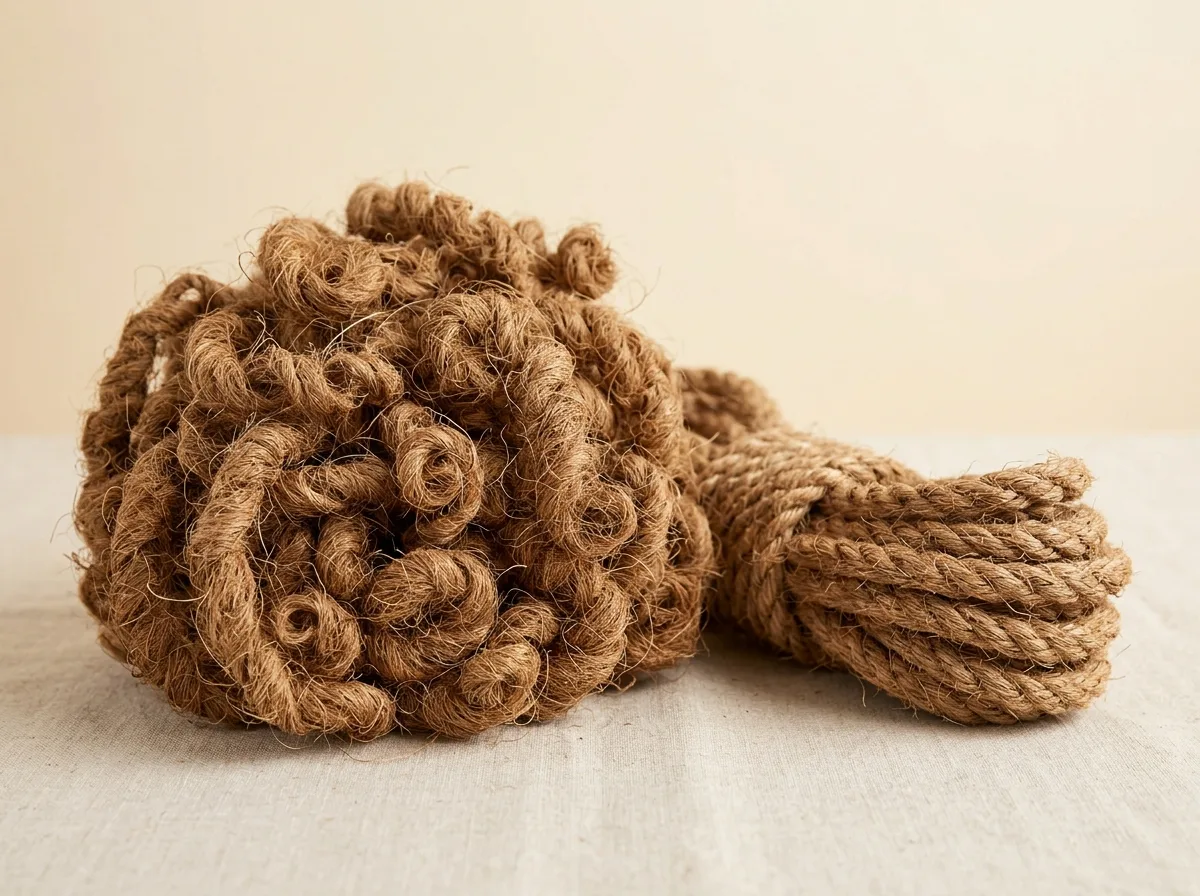
Machine-twisted, curled coir fiber with a permanent spring — the resilient filling for bedding, automotive upholstery, and erosion control.
Send us your specification and destination — we reply with grades, lead times, and container-ready pricing within one business day.