Coir Fiber
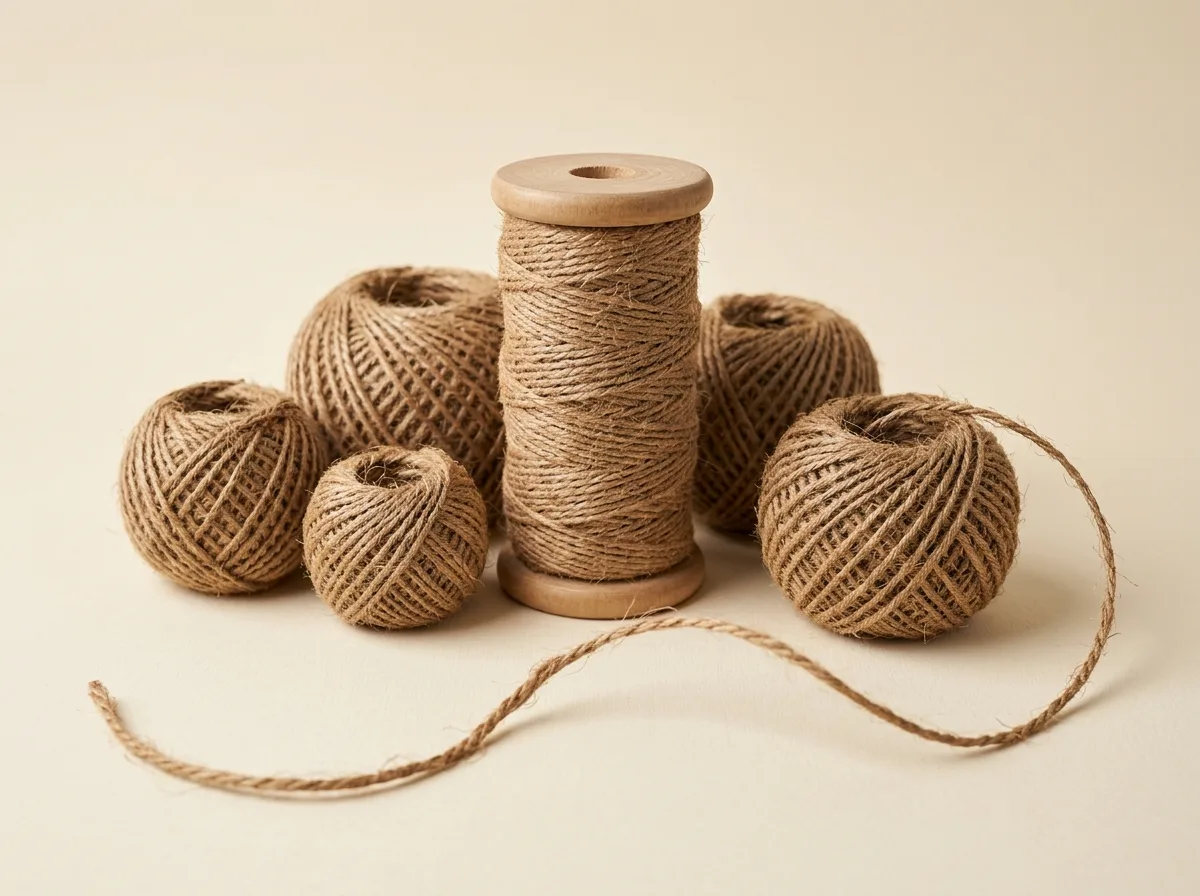
Coco Twine
Strong, biodegradable coir twine for hop cultivation, aquaculture, and domestic gardening — a natural alternative to plastic string.
 Made in Sri Lanka


Coir Fiber · Bioengineering
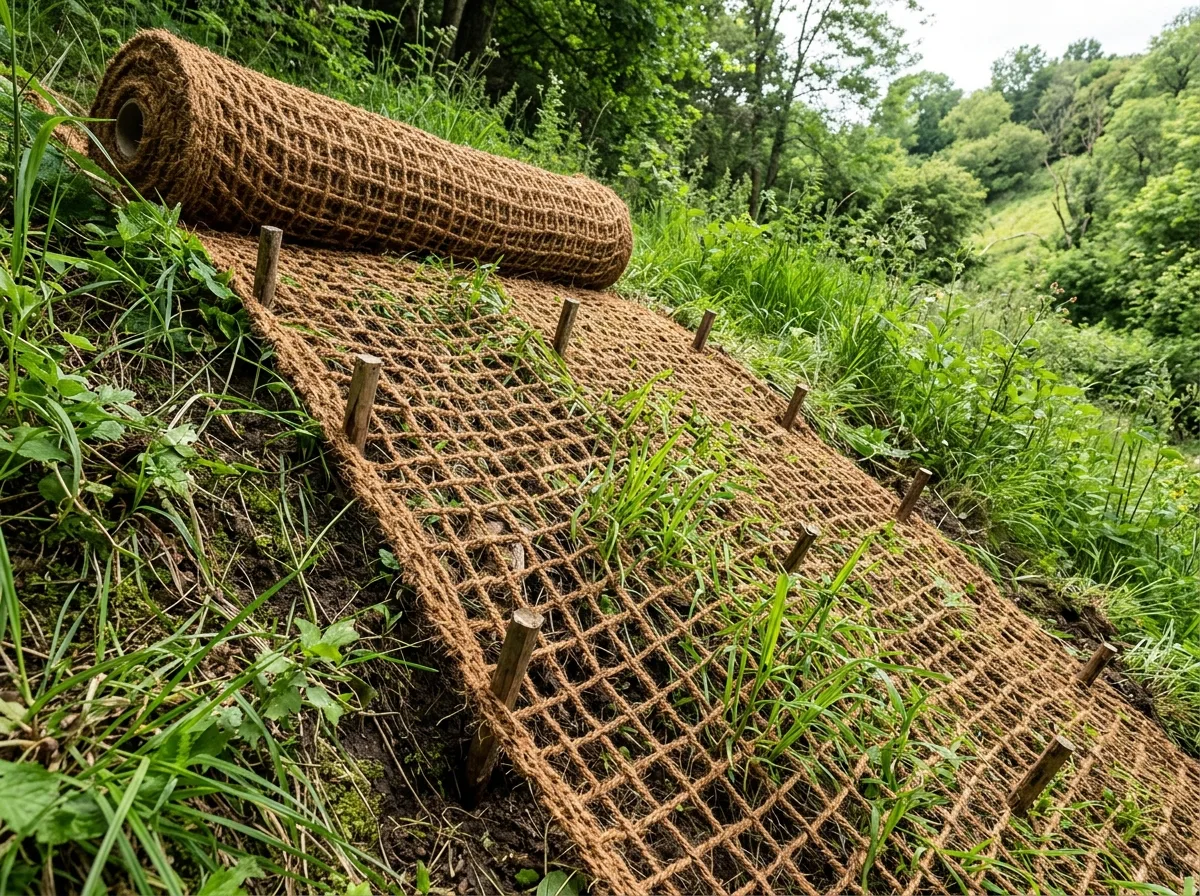
Woven coir geotextile netting in 400/700/900 gsm grades — laid over soil for slope stabilisation, erosion control, and soil conservation.
Inquire About This Product| Grades | 400 / 700 / 900 gsm woven mesh |
|---|---|
| Eye (Mesh) Size | 1–2 cm (900 gsm) up to 3–5 cm (400 gsm) |
| Roll Size | 1 m × 10 m or 2 m × 25 m |
| Weight per Roll | 20 kg (400 gsm) up to 45 kg (900 gsm) |
Coir nets, also known as coir geotextiles, are woven from coir fibers and used for slope stabilization, erosion control, and soil conservation. These nets are laid over soil to prevent erosion and provide a foundation for plant growth.
Spun coir yarn is woven into an open-mesh blanket heavy enough to armour bare soil against rain impact and runoff, yet open enough for seeded vegetation to grow straight through it. As the coir decomposes over several years, it enhances soil structure and fertility, benefiting the ecosystem and fostering better plant growth — with minimal maintenance required once installed.
We weave our geotextiles in 400, 700, and 900 gsm grades on standard 1 × 10 m or 2 × 25 m rolls, with custom widths and staged container shipments for infrastructure projects. Every roll ships with weave and weight documentation for engineering compliance.
Why It Works
Coir nets provide effective protection against soil erosion, particularly on slopes, riverbanks, and shorelines, preventing soil displacement by wind or water.
Made from natural coconut fibers, coir geotextiles are fully biodegradable, offering an environmentally friendly alternative to synthetic materials.
Coir nets support the growth of plants by creating a stable environment for roots to establish and thrive, which helps naturally stabilize the soil.
They retain moisture, which is critical for plant growth in arid areas, reducing the need for frequent irrigation.
They help stabilize loose or disturbed soil, preventing landslides and sediment loss in both agricultural and civil engineering projects.
Good to Know
As a rule of thumb — 400 gsm for gentle slopes and short establishment periods, 700 gsm for moderate slopes and flows, 900 gsm for steep slopes, channels, and harsh sites. Send us slope angle, soil, and rainfall data and we will recommend a grade.
The slope is graded and seeded, rolls are unrolled from the crest, overlapped, keyed into an anchor trench at the top, and pinned. Vegetation grows through the mesh apertures while the net holds soil and moisture.
Coir is fully biodegradable and eco-friendly, and as it decomposes it improves soil structure and fertility — unlike synthetic geotextiles, it leaves no plastic mesh behind to entangle wildlife or fragment into microplastic.
Yes — container-scale supply with consistent weave weight, full test documentation, and staged shipments scheduled against your construction programme.
Related
Coir Fiber
Strong, biodegradable coir twine for hop cultivation, aquaculture, and domestic gardening — a natural alternative to plastic string.
Coir Fiber
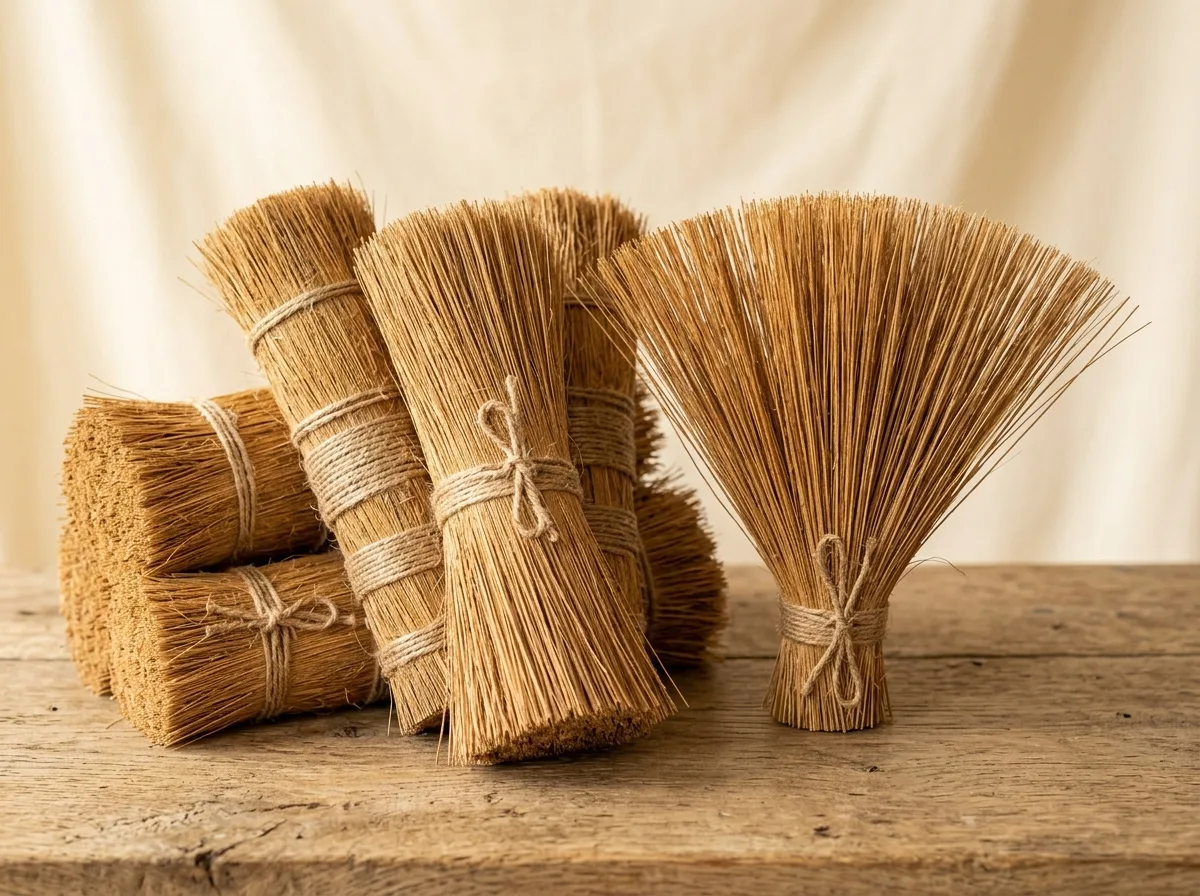
Long, stiff premium coir bristle fiber (Brush Fibre) — natural, dyed, bleached, or unbleached grades for brush-making and industrial use.
Coir Fiber
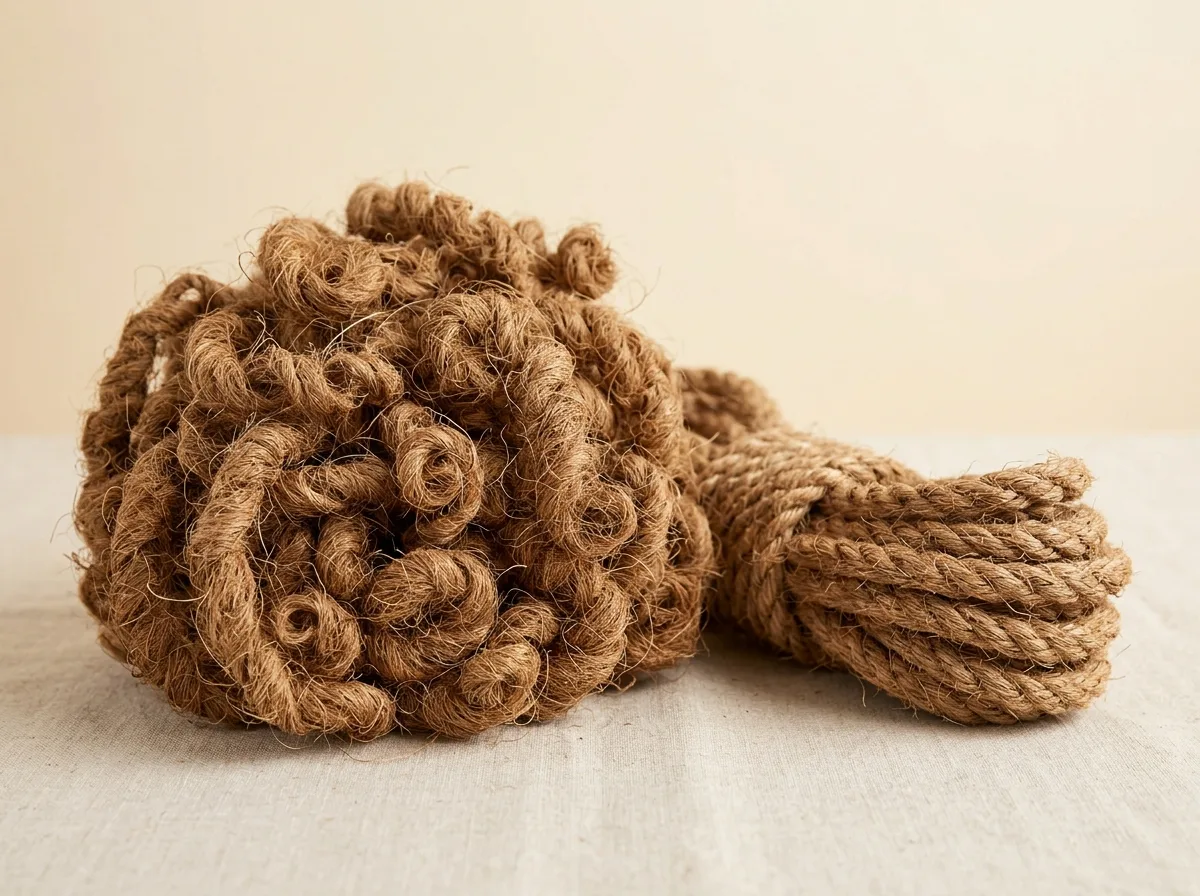
Machine-twisted, curled coir fiber with a permanent spring — the resilient filling for bedding, automotive upholstery, and erosion control.
Send us your specification and destination — we reply with grades, lead times, and container-ready pricing within one business day.